
Who is Junko in Silent Hill f? Unmasking the Symbolic Antagonist
Exploring the complex role of Junko Kinuta as a manifestation of 1960s Japan's oppressive gender expectations and familial duty.
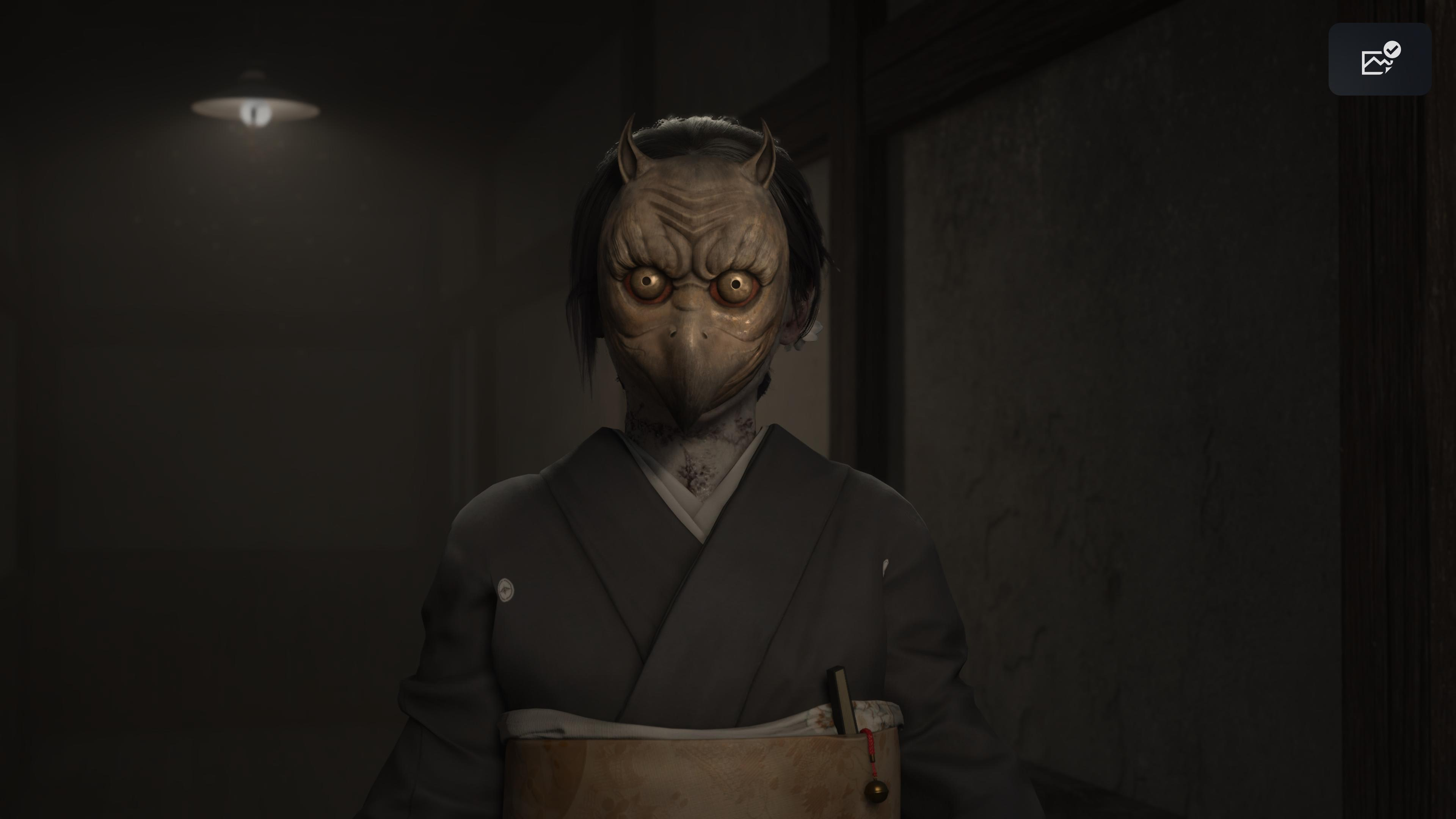
Junko Kinuta's masked appearance symbolizes the loss of identity under societal pressure
In the haunting world of Silent Hill f, Junko Kinuta emerges as one of the most psychologically complex antagonists in the franchise's history. As the older sister of protagonist Hinako Shimizu, Junko represents more than just a familial obstacle—she embodies the crushing weight of 1960s Japanese societal expectations.
Junko Kinuta: Character Profile and Role in Silent Hill f
Key Character Details
- Full Name: Junko Kinuta
- Role: Secondary/Tertiary Antagonist
- Relationship: Older sister of Hinako Shimizu
- Setting: 1960s Japan, rural community
Voice Cast
- English VA: Stephanie Wong
- Japanese VA: Nanako Mori
The Symbolism of Junko's Mask and Appearance in Silent Hill f
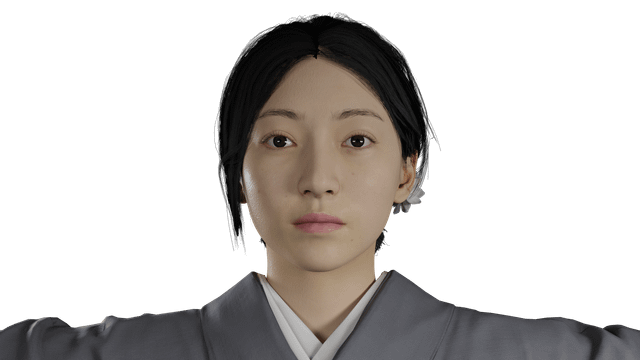
Junko's most striking visual feature is her bird-like tengu mask, which completely obscures her face. This design choice carries multiple layers of meaning:
- Loss of Identity: The mask represents how societal expectations have erased Junko's true self
- Tengu Symbolism: In Japanese folklore, tengu are often guardians of tradition who punish vanity—reflecting Junko's role as an enforcer of social norms
- Emotional Distance: The permanent mask creates an uncanny valley effect, emphasizing Junko's emotional unavailability
Video Analysis: Understanding Junko's Role in Silent Hill f
Tara A. Devlin's Analysis
YouTube • Nov 17, 2025 • 58s
This concise analysis by Silent Hill expert Tara A. Devlin breaks down Junko's symbolic importance and her relationship with protagonist Hinako.
1960s Japan Context: Why Junko Represents More Than Just a Villain
To fully understand Junko's character, we must examine the historical context of 1960s Japan:
- Post-War Traditionalism: Japan in the 1960s was caught between rapid modernization and clinging to pre-war social structures
- Gender Role Enforcement: Women faced intense pressure to conform to roles as wives and mothers, often at the expense of personal ambition
- Familial Duty (Giri): The concept of obligation to family often overrode individual desires
- Rural vs Urban Divide: Traditional values were particularly strong in rural areas like Silent Hill f's setting
Junko as Social Commentary
Junko isn't merely a "villain" in the traditional sense—she's a manifestation of systemic oppression. Her encouragement for Hinako to "kill" her old self represents the literal and metaphorical death required for women to fit into prescribed roles. This makes her one of Silent Hill's most tragically realistic monsters.
The Complex Sister Dynamic: Junko and Hinako's Relationship
The relationship between Junko and Hinako serves as the emotional core of Silent Hill f's narrative:
- Manifestation of Fear: The Junko encountered in-game is largely Hinako's psychological projection of her fear of becoming like her sister
- Traditional vs Modern: Their conflict represents the generational struggle between tradition and modernity
- Love and Resentment: Beneath the conflict lies genuine sisterly affection, twisted by societal pressure
- Mirror Characters: Junko represents what Hinako could become if she surrenders to societal expectations
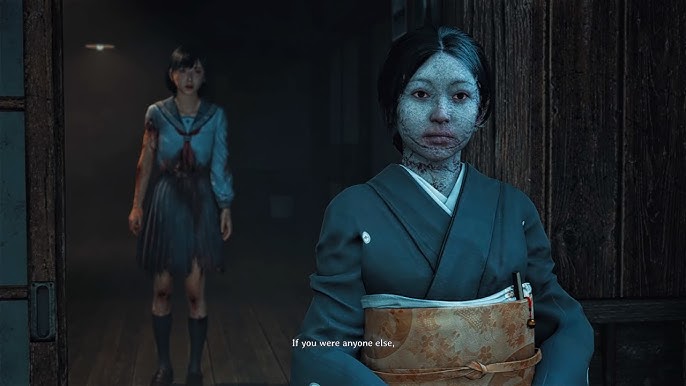
Further Exploration: Silent Hill f Lore and Character Analysis
Complete Character Backstory Video
For a comprehensive understanding of Junko's backstory and her connections to other characters in Silent Hill f:
Key Takeaways About Junko Kinuta:
- She represents the internalized oppression of 1960s Japanese gender norms
- Her masked appearance symbolizes the erasure of individual identity under societal pressure
- As a thought-form, she exists primarily as a manifestation of Hinako's fears
- Her character serves as social commentary on the price of conformity
- The relationship with Hinako explores complex familial bonds under cultural pressure
Conclusion: Junko's Lasting Impact on Silent Hill Lore
Junko Kinuta stands as one of Silent Hill's most nuanced antagonists precisely because she isn't purely evil—she's a product of her environment, a victim who becomes a victimizer. Her character forces players to confront uncomfortable questions about tradition, duty, and the price of conformity.
Through Junko, Silent Hill f continues the series' tradition of using horror to explore real-world psychological and social issues, proving that the most terrifying monsters are often those that reflect our own societal structures back at us.