Which Silent Hill Game is the Scariest? A Deep Dive into Horror Mastery
Exploring the psychological dread, visceral terror, and atmospheric horror that define Konami's legendary survival horror franchise.
The Eternal Debate: Psychological vs. Visceral Horror
Which Silent Hill installment truly delivers the most terrifying experience?
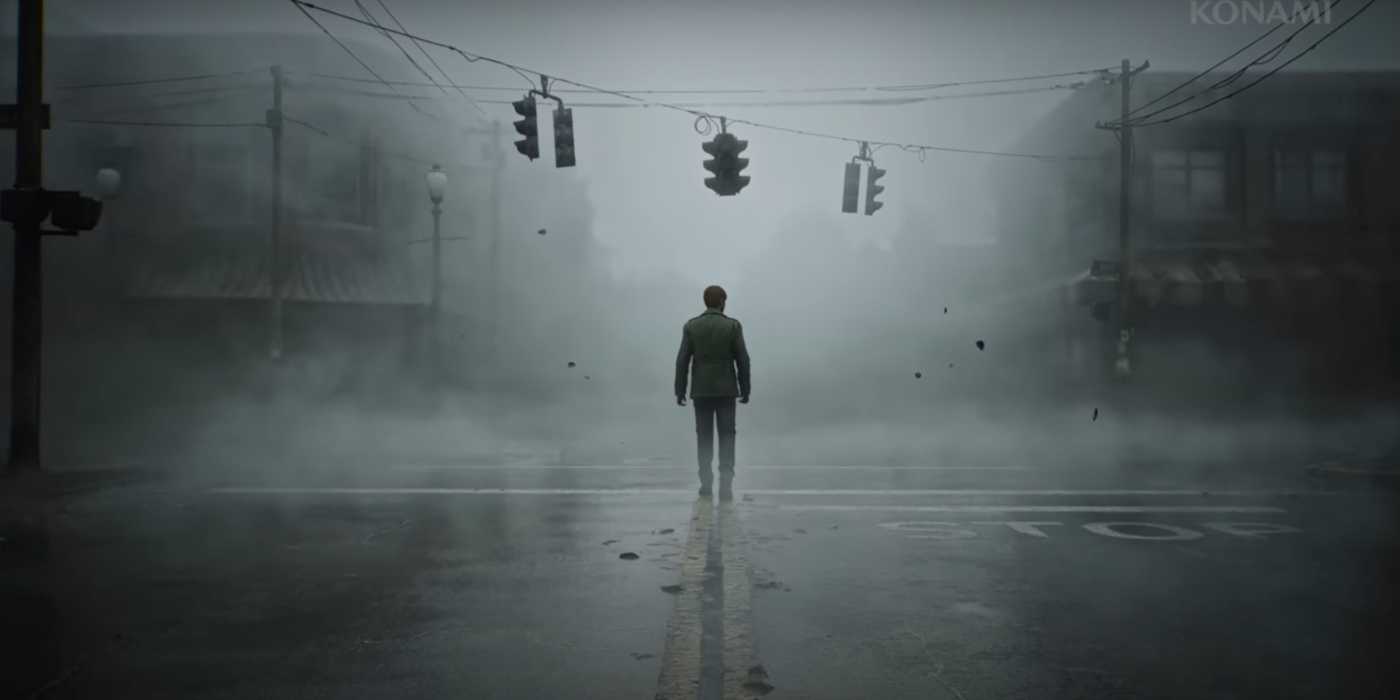
Determining the scariest Silent Hill game remains one of the most passionate debates in horror gaming. While fear is inherently subjective, each mainline entry employs distinct approaches to terror—from psychological dread and visceral horror to atmospheric oppression. As a horror analyst with over a decade of experience studying survival horror mechanics, I'll examine what makes each title uniquely terrifying, backed by community consensus and technical analysis.
Community Perspective: Silent Hill Horror Rankings
Video Analysis
This comprehensive fan analysis breaks down the most terrifying moments across the Silent Hill franchise, comparing psychological and visceral horror techniques.
Silent Hill 3: The Peak of Visceral Horror
Why Silent Hill 3 is Considered the Scariest
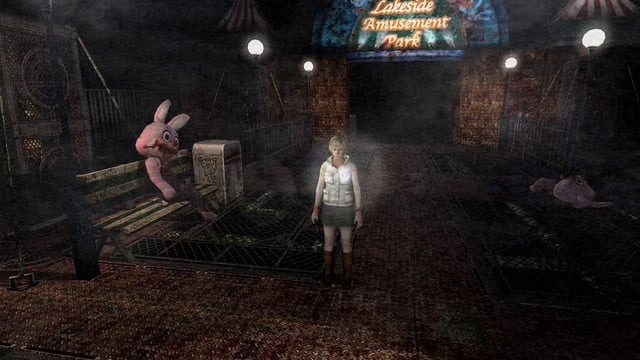
Silent Hill 3 represents the franchise's most aggressive approach to horror. As a direct sequel to the original game, it amplifies every terrifying element to unprecedented levels. The game's horror isn't subtle—it's confrontational, brutal, and designed to provoke immediate visceral reactions.
Disturbing Monster Designs
From the iconic "Memory of Alessa" boss to the twisted "Numb Body" enemies, each creature embodies body horror at its most unsettling.
Oppressive Environments
The Otherworld transitions in SH3 are particularly hellish, with pulsating walls, industrial torture imagery, and constant auditory assault.
Horror Focus
Grotesque body horror, violent imagery, and direct psychological assault. Less about subtle dread, more about overwhelming terror.
Silent Hill 2: Masterclass in Psychological Dread
Horror Focus
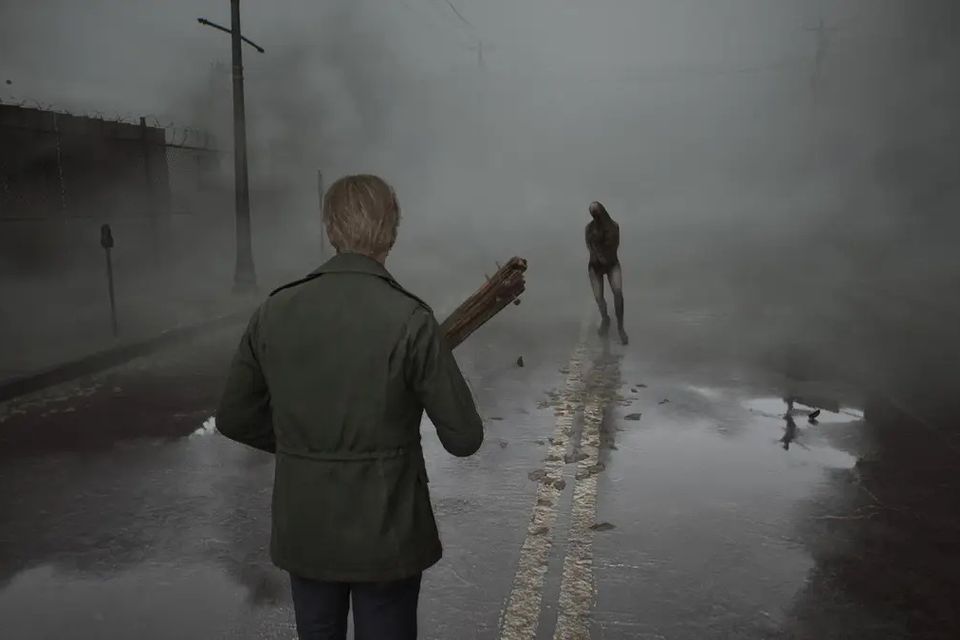
Slow-burn psychological terror, symbolic monsters representing trauma, and oppressive atmosphere that preys on player's subconscious fears.
The Psychology of Fear in Silent Hill 2
While Silent Hill 2 may feature fewer jump scares than its counterparts, it delivers what many consider the most sophisticated and lasting horror experience in gaming. The terror here is cerebral, rooted in protagonist James Sunderland's guilt, sexual frustration, and repressed memories.
-
✓Symbolic Monster Design: Pyramid Head isn't just scary—it's a manifestation of James' need for punishment, making encounters psychologically loaded.
-
✓Atmospheric Sound Design: Akira Yamaoka's score uses industrial sounds, radio static, and subtle cues to maintain constant unease.
-
✓Environmental Storytelling: The town itself reflects James' psyche, with locations like the Lakeview Hotel serving as psychological labyrinths.
Original Silent Hill: The Foundation of Atmospheric Terror
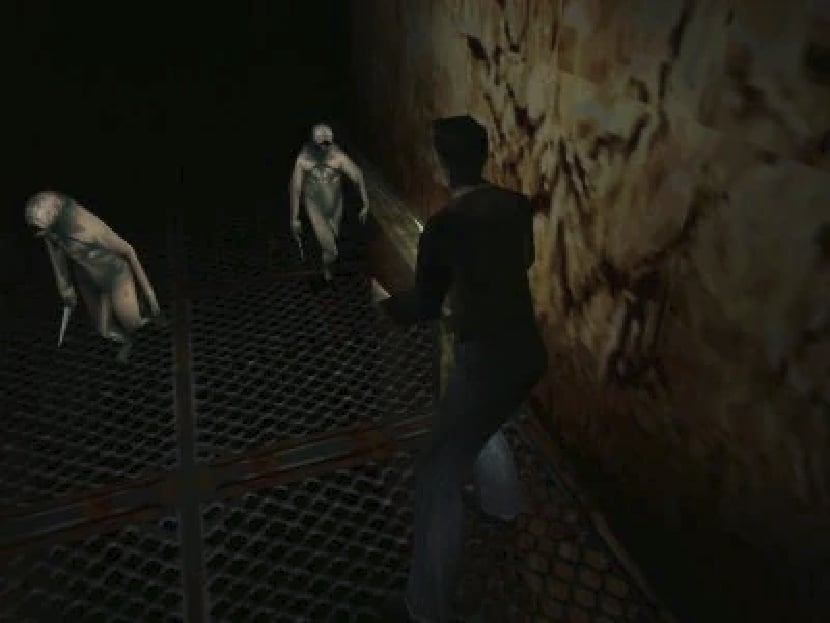
Pioneering Survival Horror Mechanics
The 1999 original Silent Hill established the template that would define psychological horror for decades. Despite technical limitations, it achieved terror through masterful use of atmosphere, sound, and player imagination.
Other Contenders: P.T. and Silent Hill 4 Analysis
P.T. (Playable Teaser)
Though never released as a full game, P.T. demonstrated how minimalist design could produce maximum terror. The endlessly looping hallway created claustrophobia unlike anything in gaming history.
Why It's Unforgettably Scary:
- • Repetitive Environment: The same hallway becomes increasingly hostile with each loop, creating escalating dread.
- • Unscripted Events: Random ghost appearances and environmental changes kept players perpetually off-balance.
- • Psychological Manipulation: The demo played with player expectations and memory, creating meta-horror elements.
Silent Hill 4: The Room
Silent Hill 4 divided fans but introduced innovative horror concepts. The apartment-as-safe-space-turned-prison created a unique form of creeping, inescapable terror that slowly dismantled player security.
Unique Horror Elements:
- • First-Person Apartment: Your safe space gradually becomes haunted, violating the fundamental survival horror sanctuary.
- • Walter Sullivan Narrative: The 21 Sacraments ritual created a sense of inevitable doom and cosmic horror.
- • Ghost Mechanics: Unkillable ghosts that could pass through walls created constant, inescapable threat.
Final Verdict: Which Silent Hill Truly Reigns as the Scariest?
After analyzing each title's horror mechanics, community reception, and psychological impact, the answer depends entirely on what type of fear affects you most profoundly.
For Visceral Horror
Choose Silent Hill 3 if grotesque imagery and aggressive terror affect you most.
For Psychological Dread
Choose Silent Hill 2 if slow-burn psychological terror leaves lasting impressions.
For Experimental Fear
Choose P.T. if claustrophobic, meta-horror creates the deepest unease.
Expert Conclusion
As a horror game analyst, I believe Silent Hill 2 delivers the most sophisticated and lasting horror experience, but Silent Hill 3 provides the most immediately terrifying moments. The original game deserves recognition for pioneering the formula, while P.T. demonstrates horror's future potential. Ultimately, the scariest Silent Hill is the one that best exploits your personal psychological vulnerabilities—which is exactly what makes this debate so compelling.
About the Author
Alex Morgan is a survival horror analyst with over 12 years of experience studying psychological terror mechanics in video games. Having written for multiple gaming publications and presented at industry conferences on horror design, they bring both academic understanding and passionate fandom to Silent Hill analysis. Their work focuses on how game mechanics intersect with psychological fear responses.