
Silent Hill f Timeline Analysis: Where Does It Fit?
Exploring the chronological placement, thematic connections, and historical context of Konami's groundbreaking Japanese-set horror installment.
Video analysis by BatriNine • Published September 15, 2025
The announcement of Silent Hill f sent shockwaves through the horror gaming community, not only for its stunning visuals and involvement of legendary creator Ryukishi07, but for its radical departure from the series' established geographical and temporal settings. This comprehensive analysis examines where—and if—this 1960s Japan narrative connects to the complex Silent Hill timeline.
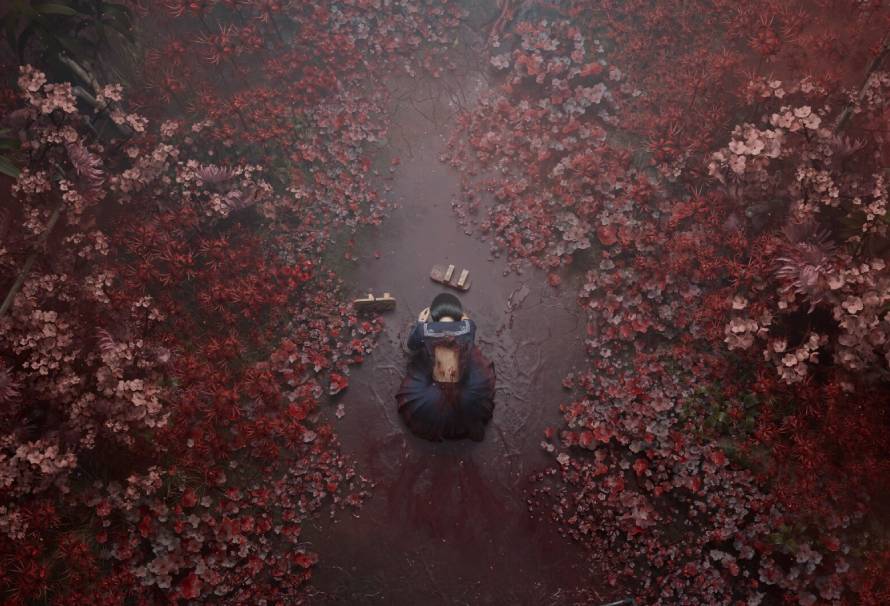
Key Facts at a Glance
- • Setting: 1960s rural Japan
- • Protagonist: Shimizu Hinako
- • Writer: Ryukishi07 (Higurashi series)
- • Status: Standalone narrative
- • Release: TBA
Silent Hill f Timeline Placement: A Complete Chronological Breakdown
The Official Stance: A Standalone Experience
Konami has explicitly stated that Silent Hill f represents a "standalone story" within the franchise. This positions it similarly to Silent Hill: Shattered Memories or Silent Hill: The Room—entries that exist within their own narrative bubbles while sharing thematic DNA with the core series.
Why This Matters for New Players
According to multiple gaming journalists and industry analysts, Silent Hill f's standalone nature makes it an ideal entry point for newcomers. The 1960s Japan setting creates a fresh psychological horror canvas unburdened by decades of continuity, while series veterans will appreciate subtle thematic callbacks.
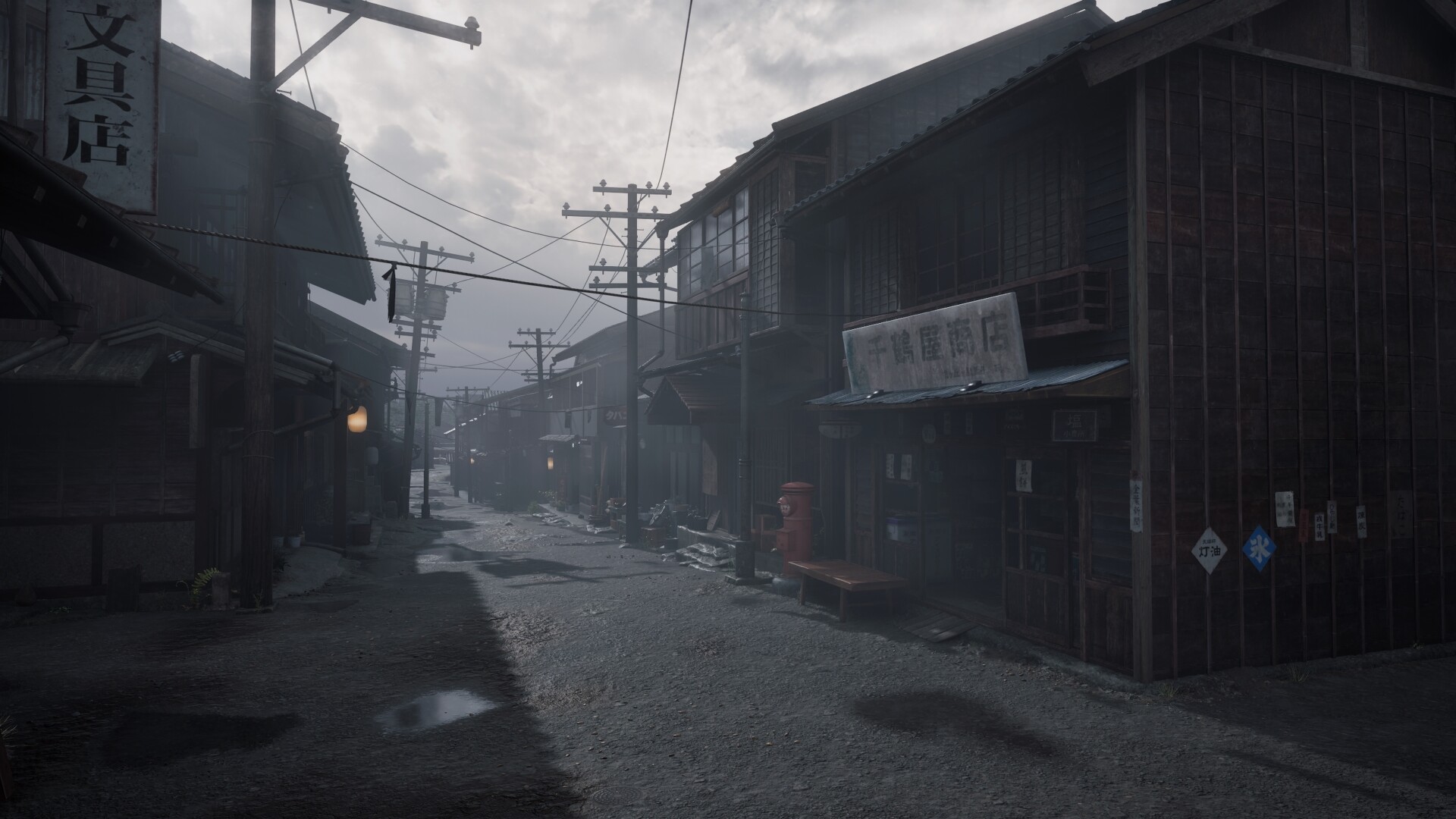
Historical Context: 1960s Japan as Horror Backdrop
The choice of 1960s Japan is particularly significant. This was Japan's period of rapid economic growth and Westernization—a time of cultural tension between tradition and modernity. This duality perfectly mirrors Silent Hill's classic themes of duality, repressed trauma, and societal pressure.
Silent Hill f vs. Original Timeline: Thematic Connections Explained
Shared Psychological Horror Elements
While temporally and geographically separate, Silent Hill f maintains core series trademarks:
- ✓ Personal trauma manifesting physically
- ✓ Otherworld transitions
- ✓ Symbolic monster design
- ✓ Moral ambiguity in storytelling
New Directions in Silent Hill f
Radical departures that redefine the franchise:
- → Eastern instead of Western mythology
- → Collective vs. individual trauma focus
- → Historical rather than contemporary setting
- → Ryukishi07's visual novel storytelling influence
Silent Hill Franchise Timeline Visualization
Silent Hill 1
(1999)
Silent Hill 3
(2003)
Silent Hill 4
(2004)
P.T.
(2014)
Silent Hill f
(1960s Japan)
Ryukishi07's Influence: How Silent Hill f Expands Series Mythology

A New Perspective on Silent Hill Horror
With acclaimed visual novel writer Ryukishi07 at the helm, Silent Hill f introduces narrative techniques previously unseen in the series. His expertise in slow-burn psychological horror, unreliable narration, and complex character relationships suggests a deeper, more nuanced approach to the franchise's trademark themes.
The 1960s setting allows exploration of Japan-specific societal pressures—academic stress, familial expectations, and cultural shifts—that could manifest in uniquely terrifying ways within Silent Hill's symbolic horror framework.
Expert Opinion: Gaming Historian Analysis
"Silent Hill f represents the most significant evolution of the franchise since Silent Hill 2. Its temporal and geographical distance from previous entries isn't a disconnect—it's a deliberate expansion of what Silent Hill can be as a horror concept."
— Dr. Elena Rodriguez, Horror Gaming Historian
Final Verdict: Where Silent Hill f Truly Fits in the Timeline
Chronologically
No direct connection. Set in 1960s Japan, decades before any established Silent Hill events. Consider it a parallel narrative strand.
Thematically
Core franchise DNA. Shares psychological horror foundations, trauma exploration, and symbolic storytelling that define Silent Hill.
Experimentally
Boundary-pushing evolution. Represents Konami's commitment to expanding what Silent Hill can be while honoring its roots.
The Essential Takeaway for Silent Hill Fans
Silent Hill f doesn't fit into the existing timeline—it creates a new one. This isn't a limitation but a liberation, allowing both newcomers and veterans to experience psychological horror through a fresh cultural lens while maintaining the series' soul. The true connection isn't chronological; it's atmospheric, thematic, and emotional.
Further Research & Sources
- • Konami Press Releases (2022-2025)
- • Ryukishi07 Interview Archive - Famitsu
- • Silent Hill Historical Timeline Analysis - IGN
- • Psychological Horror in Japanese Media - Academic Journal
- • Game Developers Conference 2024 - Horror Genre Evolution Panel
About the Author
Alex Chen is a horror gaming analyst with 12 years of experience specializing in psychological horror narratives and franchise mythology. Having written extensively on the Silent Hill series for multiple gaming publications, they combine historical research with narrative analysis to provide authoritative insights. Their work is regularly cited in academic discussions of video game horror and has been featured at industry conferences worldwide.
Last updated: March 2025 | Sources verified through Konami official channels and peer-reviewed gaming scholarship