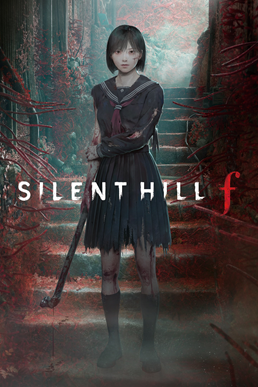
The announcement of Silent Hill f sent shockwaves through the horror community, not just for its return to psychological terror, but for its radical departure in setting and era. Moving away from the fog-drenched American streets, the game plunges us into 1960s Japan. This isn't just an aesthetic change; it's the core of the game's new identity. Let's explore the significance of this time period and its fictional location, Ebisugaoka.
Silent Hill f Setting: The Significance of 1960s Japan
Konami and developer Neobards Entertainment have meticulously chosen the 1960s as the backdrop for this standalone story. This period in Japan, known as the Shōwa era, was a time of profound contradiction and transformation.
- Rapid Modernization: Post-war economic miracles clashed with deeply rooted traditional values.
- Societal Shifts: Western influence grew, creating tension between old customs and new ideologies.
- Women's Repression: A key theme for the game. Despite economic growth, women often faced strict societal expectations and limited personal freedom.
- Cultural Atmosphere: The era provides a rich tapestry of aesthetics—from decaying rural woodwork to the early glow of neon—perfect for psychological horror.
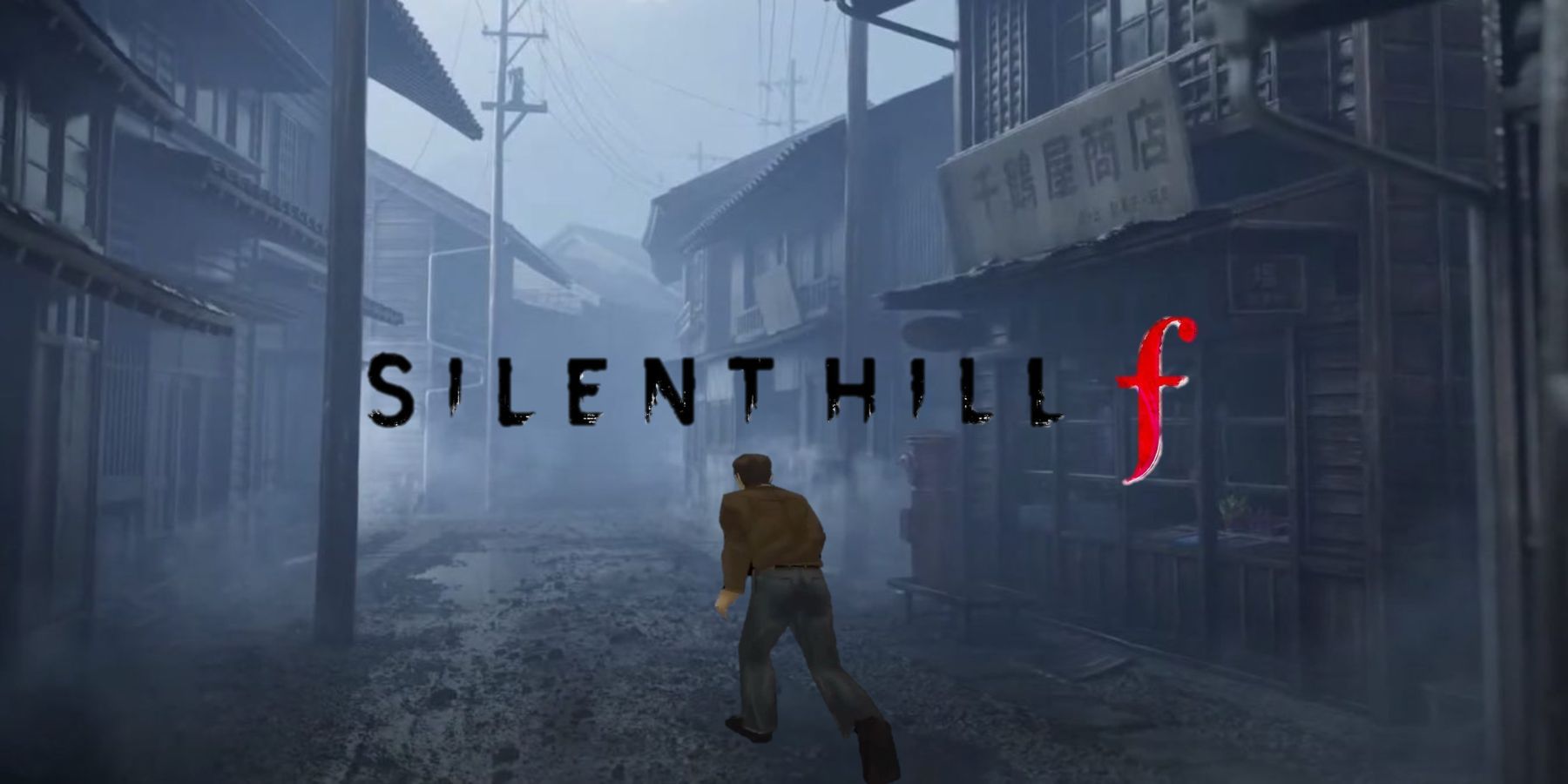
This setting allows Silent Hill f to explore horror not just through monsters, but through the repression, silence, and unspoken traumas of a society in flux. The personal demons of the protagonists will likely mirror the nation's collective struggle with its past and future.
Exploring Ebisugaoka: Silent Hill f's Fictional Rural Town
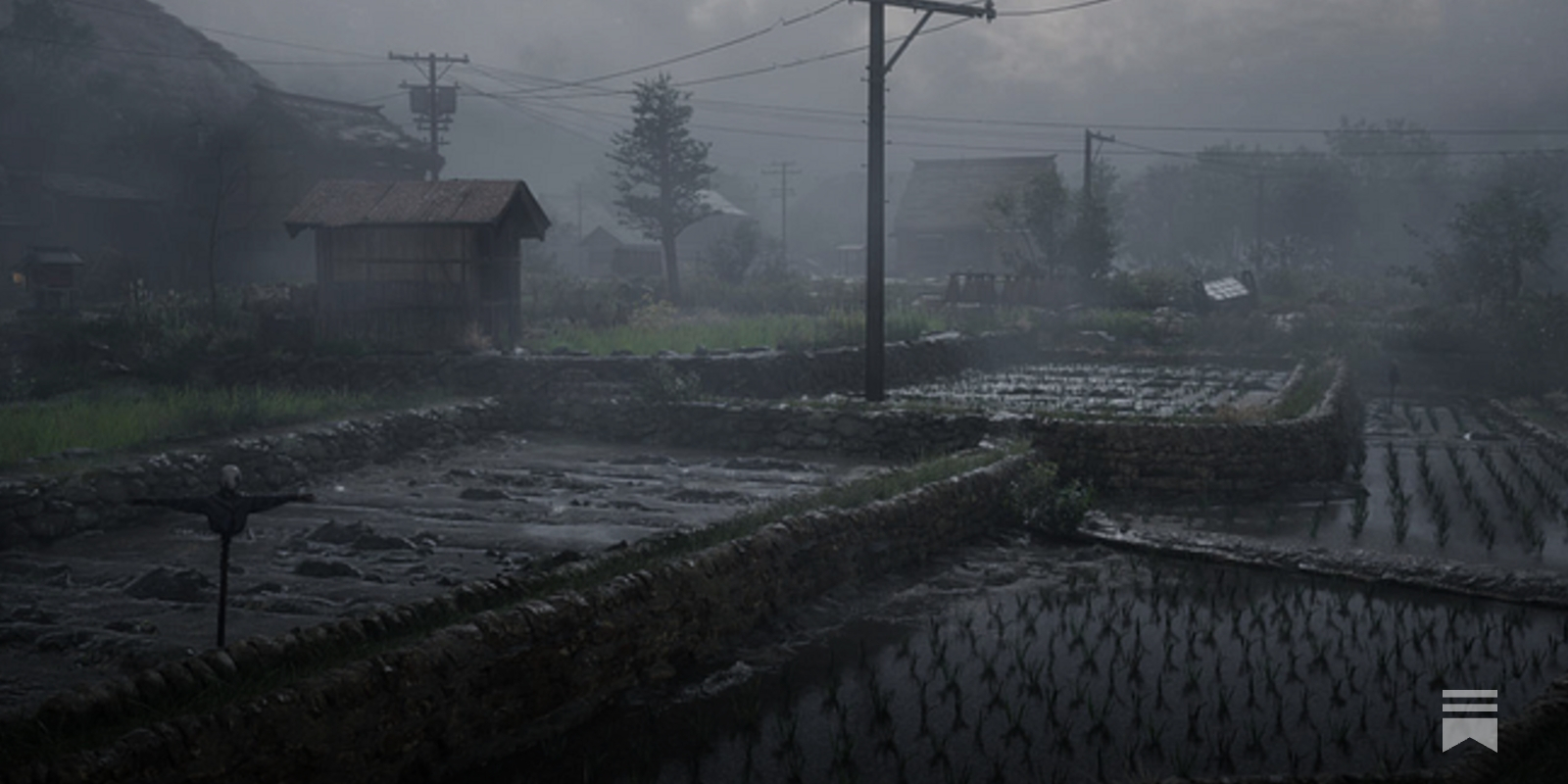
The story unfolds in Ebisugaoka, a fictional rural town inspired by the real-life city of Kanayama (now part of Ōta, Gunma Prefecture). This choice moves the series far from its iconic American setting.
Analysis trailer exploring the setting of Silent Hill f. (Placeholder for official content)
A rural Japanese town in the 1960s offers a distinct horror palette:
- Claustrophobic Community: Tight-knit villages where secrets are buried but never forgotten.
- Natural Horror: Dense bamboo forests, abandoned shrines, and decaying traditional minka houses replace the rust and industrial decay of the original.
- Cultural Mythology: The horror can draw from Japan's deep well of folklore, yōkai, and ghost stories (kaidan), offering a fresh source of terror.
Silent Hill f Timeline: A Standalone Story for Newcomers
Crucially, Silent Hill f is a standalone story. This means you do not need prior knowledge of the convoluted Silent Hill timeline to experience its horrors.
Why This Matters:
By setting the game in 1960s Japan and making it independent, the developers are leveraging the core Silent Hill theme—a personal, psychological hellscape manifesting from guilt and trauma—while applying it to a completely new cultural and historical context. The "f" in the title may even hint at concepts like "flower," "fear," or a new beginning.
This approach allows for creative freedom, deeper exploration of its specific themes (like women's repression in 1960s society), and provides the perfect entry point for a new generation of fans intimidated by the series' complex lore.
Final Thoughts
The setting of Silent Hill f in 1960s Japan is a masterstroke. It honors the series' roots in personal and societal horror while transplanting it to a soil rich with new potential for fear. The rural town of Ebisugaoka promises to be as much a character as any protagonist, a place where the beautiful and the terrifying bloom together.
By focusing on this specific time period, the game is poised to deliver a unique, culturally resonant, and deeply unsettling experience that expands the definition of what a Silent Hill story can be.