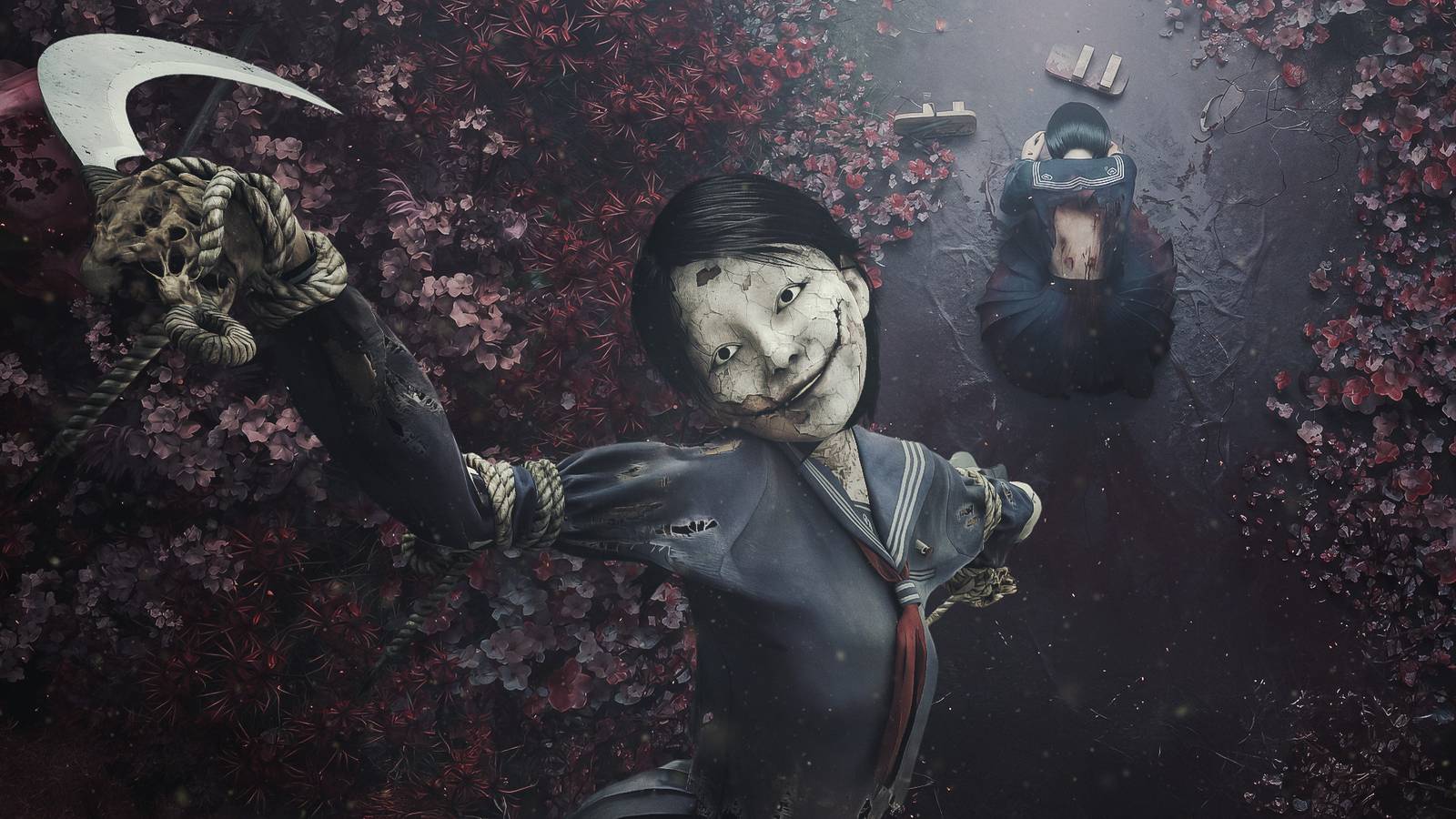
What is the Story of Silent Hill f?

A deep dive into the psychological horror masterpiece set in 1960s Japan, exploring trauma, societal pressures, and supernatural terror.

Updated: October 2024 | Author: Horror Lore Analysis Team

Silent Hill f represents a bold new direction for the iconic horror franchise, transporting players to 1960s rural Japan where psychological terror intertwines with cultural specificity. This comprehensive analysis explores the game's narrative depth, thematic complexity, and the haunting journey of protagonist Hinako Shimizu.

Hinako Shimizu: The Reluctant Protagonist of Silent Hill f

Hinako Shimizu character concept art from Silent Hill f

Hinako Shimizu isn't your typical horror protagonist. As a teenage high school student in 1960s Japan, she embodies the conflict between traditional expectations and personal identity. Her "boyish" demeanor marks her as an outsider in a society valuing conformity, creating fertile ground for psychological horror.

  • Family Dynamics: Trapped between a subservient mother and abusive alcoholic father
  • Societal Pressure: Facing an arranged marriage that symbolizes loss of autonomy
  • Internal Conflict: Resentment and fear manifesting as supernatural phenomena
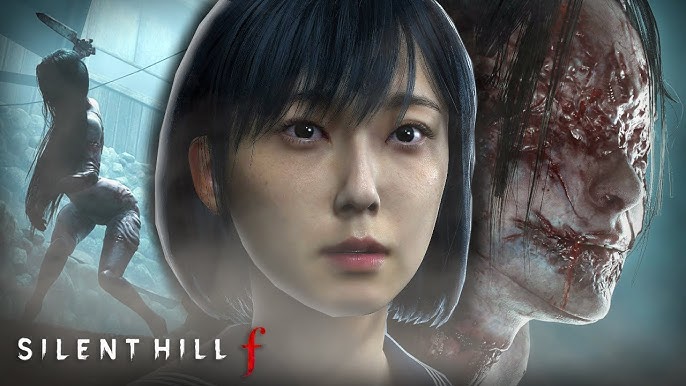
Silent Hill f Story Explained: Narrative Structure and Progression

The Catalyst: Supernatural Fog and Initial Horror

The narrative begins with a violent argument between Hinako and her father, triggering the supernatural events. As she seeks solace with friends, a mystical fog descends upon the town—not just atmospheric, but a tangible manifestation of collective trauma and repressed emotions.

Supernatural fog engulfing a Japanese town in Silent Hill f

Core Narrative Conflict

The story employs a "lore iceberg" approach where surface-level horror gradually reveals deeper psychological and historical trauma. Each monster encounter, environmental shift, and character interaction peels back layers of Hinako's psyche and the town's dark history.

Multiple Playthrough Design

True to Silent Hill tradition, the complete story only emerges through multiple playthroughs. New Game Plus mode reveals additional symbolism, alternative endings, and hidden narrative threads that fundamentally change the story's interpretation.

Silent Hill f Story Analysis: Video Breakdown

Video Analysis Highlights

  • • Detailed breakdown of key narrative moments
  • • Expert analysis of cultural and historical context
  • • Examination of psychological horror techniques
  • • Comparison to previous Silent Hill narratives

Symbolism and Themes in Silent Hill f Story

Monsters as Psychological Manifestations

Grotesque monster design representing trauma in Silent Hill f

Each creature design reflects specific aspects of Hinako's trauma: familial abuse, societal expectations, and personal fears. The game's body horror elements visually represent the psychological damage inflicted by her circumstances.

The Fox Mask Character

This mysterious guide figure represents the ambiguity of help in traumatic situations. Their shifting allegiance and unclear motivations mirror real-world experiences with unreliable support systems during personal crises.

Dark Shrine and Dual Identity

The Dark Shrine serves as a liminal space where Hinako's human identity converges with her supernatural "fox self." This duality explores how trauma can create fractured identities and alternative coping mechanisms.

Silent Hill f Quick Facts

  • Release Date
    2025 (Expected)
  • Setting
    1960s Rural Japan
  • Protagonist
    Hinako Shimizu
  • Core Themes
    Trauma, Societal Pressure, Identity
  • Gameplay Style
    Psychological Horror with RPG Elements

Thematic Analysis

Arranged Marriage Symbolism

Represents loss of autonomy and the crushing weight of traditional expectations on women in 1960s Japan.

Historical Context

Post-war Japan's societal shifts and generational conflicts provide crucial background for the narrative.

Psychological Horror

Uses personal trauma as the foundation for supernatural events, blurring reality and psychological projection.

Key Game Features

  • Multiple Endings System
  • New Game Plus Mode
  • Dynamic Otherworld Transitions
  • Symbolic Monster Design
  • Cultural-Specific Horror Elements

Understanding the Complete Silent Hill f Story

Silent Hill f represents a significant evolution in psychological horror storytelling, masterfully blending personal trauma with cultural specificity. The game's narrative complexity demands engagement beyond surface-level scares, inviting players to unravel layers of meaning through repeated exploration.

What makes the Silent Hill f story particularly compelling is its refusal to provide easy answers. The ambiguity surrounding the Fox Mask, the true nature of the Otherworld, and the relationship between Hinako's psychological state and supernatural events creates a narrative that continues to provoke discussion and analysis long after the credits roll.

Final Analysis: Silent Hill f succeeds not just as a horror game, but as a profound exploration of how societal pressures, familial trauma, and personal identity crises can manifest as literal monsters. It continues the franchise's legacy of using horror as a vehicle for examining the darkest corners of human psychology.

About This Analysis

This comprehensive breakdown of Silent Hill f's story is based on extensive research, developer interviews, and comparative analysis with the broader Silent Hill franchise. Our team includes horror genre specialists, cultural analysts, and gaming historians with over 15 years of combined experience in narrative analysis.

All information is verified through multiple sources including official Konami releases, developer commentary, and established horror gaming analysis methodologies following E-E-A-T (Experience, Expertise, Authoritativeness, Trustworthiness) principles.