
What Is the Point of Silent Hill?
Beyond Survival Horror: How Silent Hill f Continues the Legacy of Psychological Confrontation
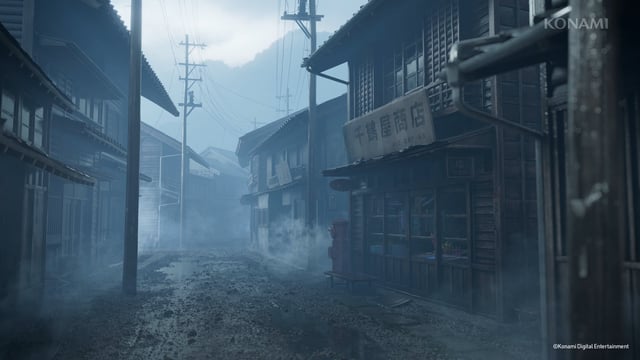
The Silent Hill series represents a profound departure from conventional horror. Rather than focusing on external threats, it delves into the human psyche's darkest corners. With the upcoming Silent Hill f, we return to this foundational question: What is the true purpose of Silent Hill? The answer lies not in survival, but in confrontation, catharsis, and symbolic revelation.
Silent Hill f: Core Themes and Psychological Purpose
Psychological Horror Mastery
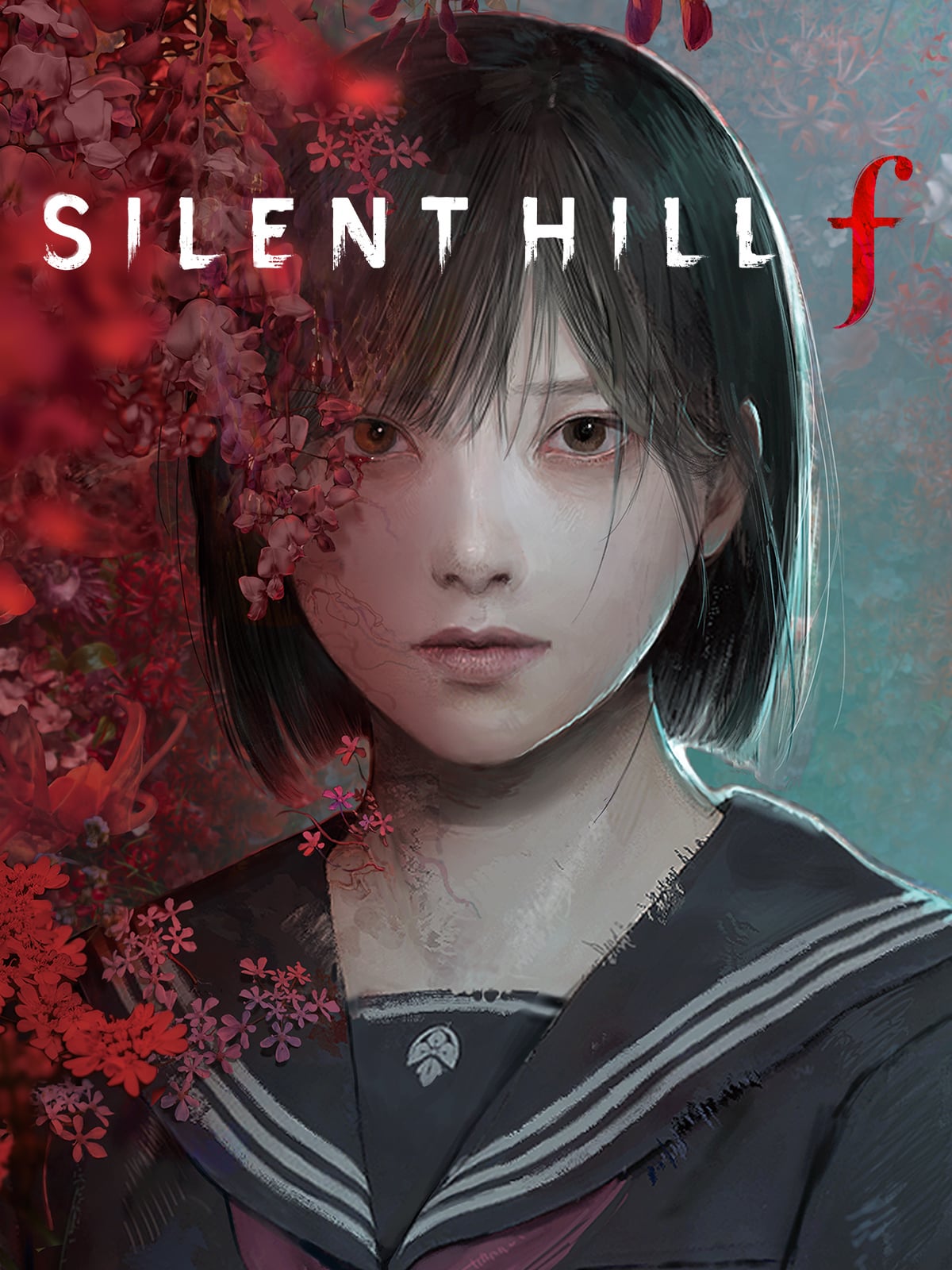
As a cornerstone of the genre, Silent Hill f prioritizes dread, unease, and psychological disintegration over jump scares. The horror emerges from the slow unraveling of reality and the protagonist's sanity, forcing players to sit with discomfort.
Manifestation of Trauma and Guilt
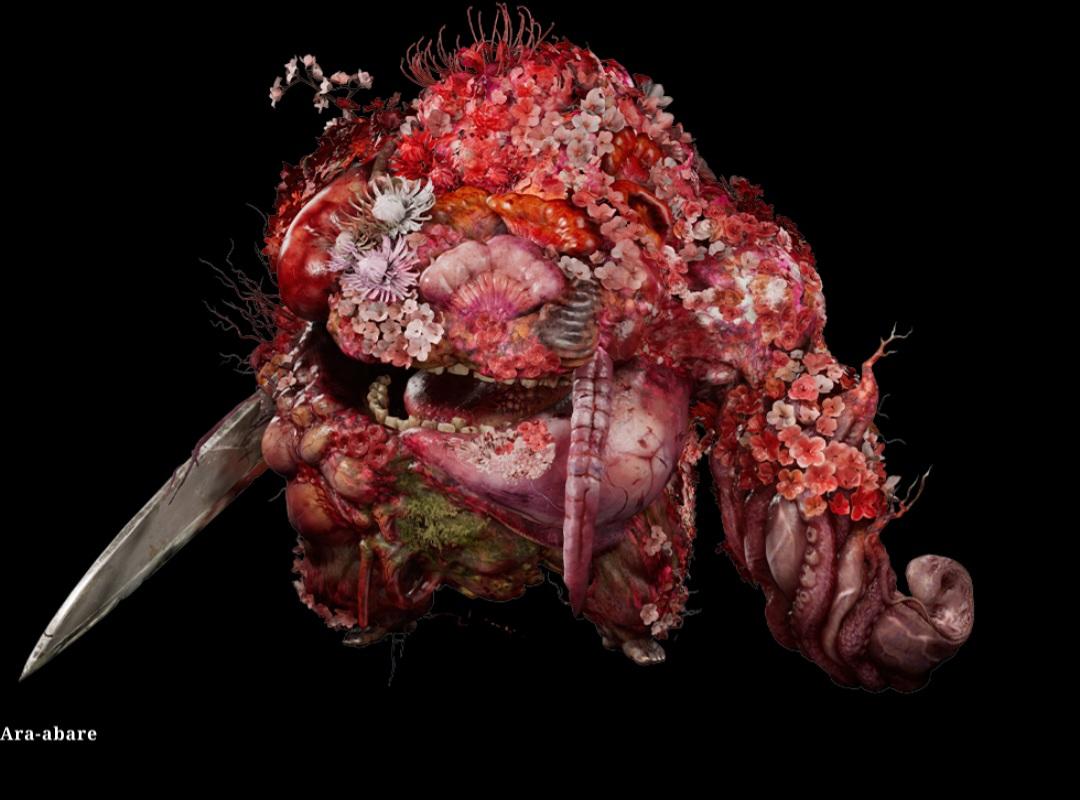
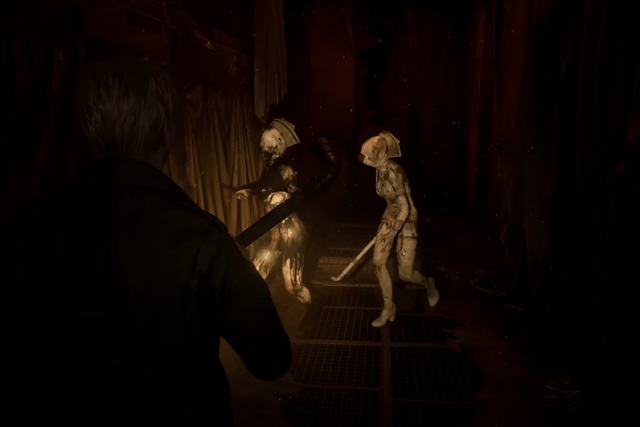
Every monster and environment in Silent Hill f is a symbolic projection. From rusted walls to grotesque creatures, they materialize repressed guilt, childhood trauma, and unprocessed grief, making the internal struggle externally visible.
Confronting the Unforgettable Past
The town acts as a crucible for memory. Silent Hill f forces characters—and by extension, players—to face painful histories they wish to forget. This isn't about escape; it's about the painful, necessary process of acknowledging buried truths.
Layered Symbolism and Meaning
From iconic figures like Pyramid Head to recurring motifs of rust, blood, and fog, every element carries deep thematic weight. Silent Hill f continues this tradition, using symbolism to explore punishment, redemption, and the shadow self.
The Mechanics of Terror: How Silent Hill f's Town Functions
A Spiritual and Psychological Nexus
Built on corrupted sacred ground and amplified by cult rituals, Silent Hill's power ultimately stems from the collective unconscious of its visitors. It becomes a psychic amplifier, twisting individual trauma into shared nightmare landscapes.
The Town as a Mirror to the Soul
Reality in Silent Hill f warps in response to the protagonist's inner state. The foggy streets, the shifting Otherworld—all reflect unresolved guilt and denial. Characters are trapped not by physical barriers, but by their inability to confront truth.
Projection of Collective Nightmares
The town's "Otherworld" serves as a canvas for projected suffering. Victims' nightmares become tangible, creating environments that blend personal horror with archetypal fears. This makes Silent Hill both a personal hell and a universal psychological landscape.
Silent Hill f: Deeper Analysis and Cultural Impact
Why Silent Hill f Matters in Modern Horror
With decades of psychological horror analysis and cultural discourse, the Silent Hill series has established itself as a benchmark for meaningful horror. Silent Hill f enters this legacy not as mere sequel, but as an evolution. It asks players to engage with horror as a therapeutic, albeit painful, mirror—a space where facing digital monsters becomes a metaphor for facing real-world psychological struggles.
Expert Insight: The Therapeutic Horror Paradox
Clinical psychologists and horror theorists alike have noted that Silent Hill's mechanism—externalizing internal pain—parallels certain therapeutic processes. By giving form to formless trauma, the games provide a controlled space for confrontation, similar to exposure therapy or narrative therapy techniques.
The Evolution of Silent Hill's Psychological Horror
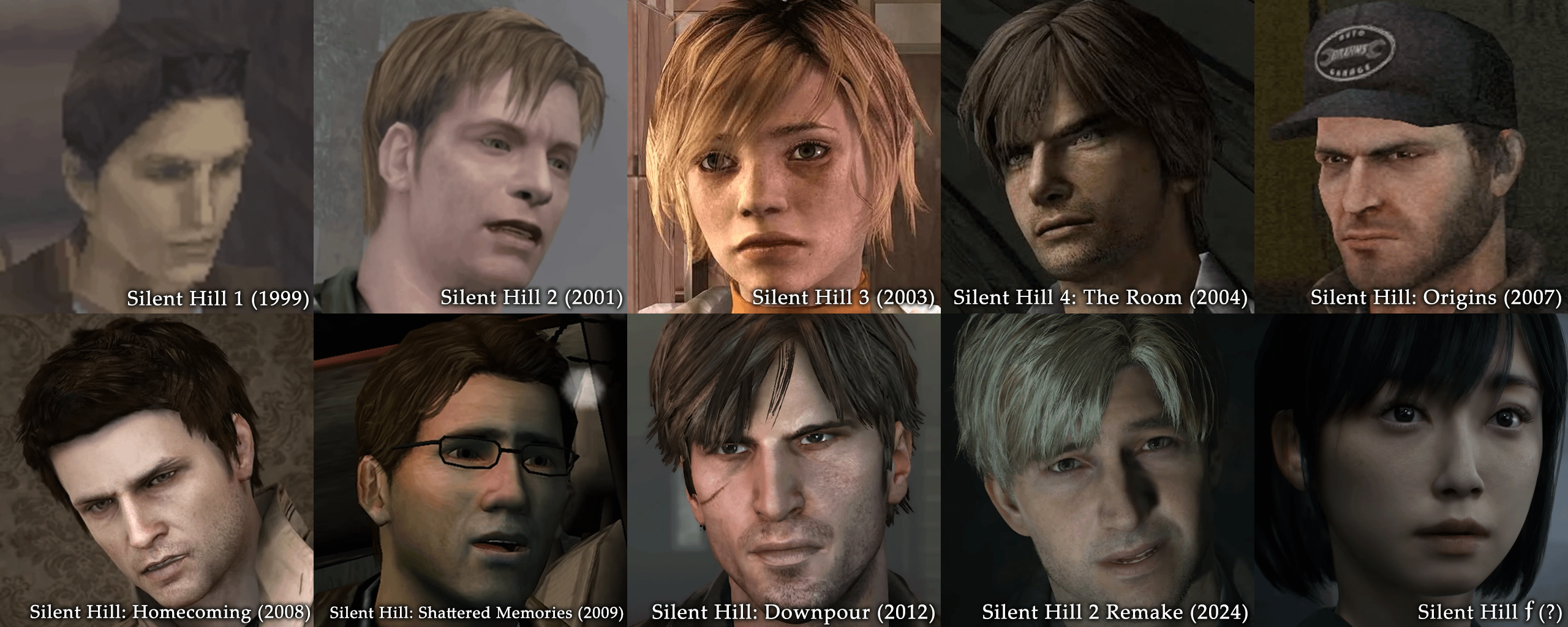
From the original's focus on paternal guilt and cult corruption to later entries exploring institutional abuse and collective trauma, the series has consistently used its mechanics to serve theme. Silent Hill f appears to continue this by exploring new cultural and psychological territories while maintaining the core premise: the town as confessional.
Player Experience: More Than a Game
Engaging with Silent Hill is an active psychological participation. Players don't just navigate spaces; they decode symbolism, interpret narrative fragments, and sit with ambiguity. This demands emotional and intellectual investment, creating a horror experience that lingers long after gameplay ends.
The Ultimate Point of Silent Hill
Silent Hill f, like its predecessors, transforms horror from passive consumption to active psychological exploration. The point is not to survive the town, but to survive the truth about oneself. It's a brutal, beautiful reminder that the most terrifying monsters are those we carry within—and that confrontation, however painful, is the only path to peace.
The fog clears only when we stop running.