Silent Hill f Analysis

What is the Plot Behind Silent Hill f?
A Deep Dive into 1960s Japanese Psychological Horror

Konami's groundbreaking return to psychological horror explores trauma, societal pressure, and supernatural transformation in rural Japan.

Silent Hill f promotional art showing Hinako Shimizu in 1960s Japan with supernatural fog
Image: Silent Hill f atmospheric concept | Source: Konami

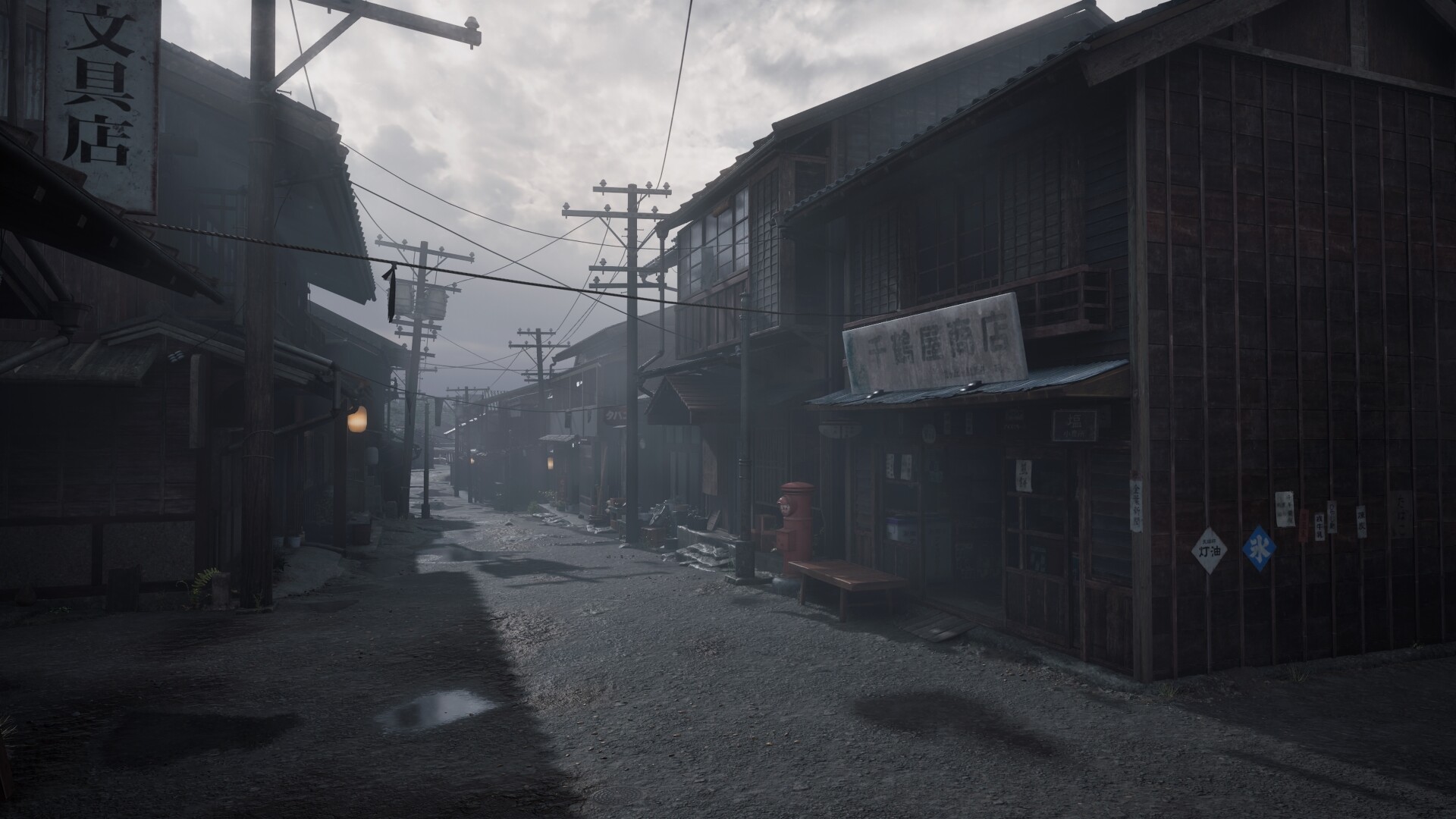
Silent Hill f represents a bold departure from the series' traditional American setting, transporting players to 1960s rural Japan where teenage protagonist Hinako Shimizu's personal turmoil manifests into a terrifying supernatural reality. This comprehensive analysis explores the game's complex narrative, psychological themes, and cultural context.

Hinako Shimizu: The Silent Hill f Protagonist's Psychological Profile

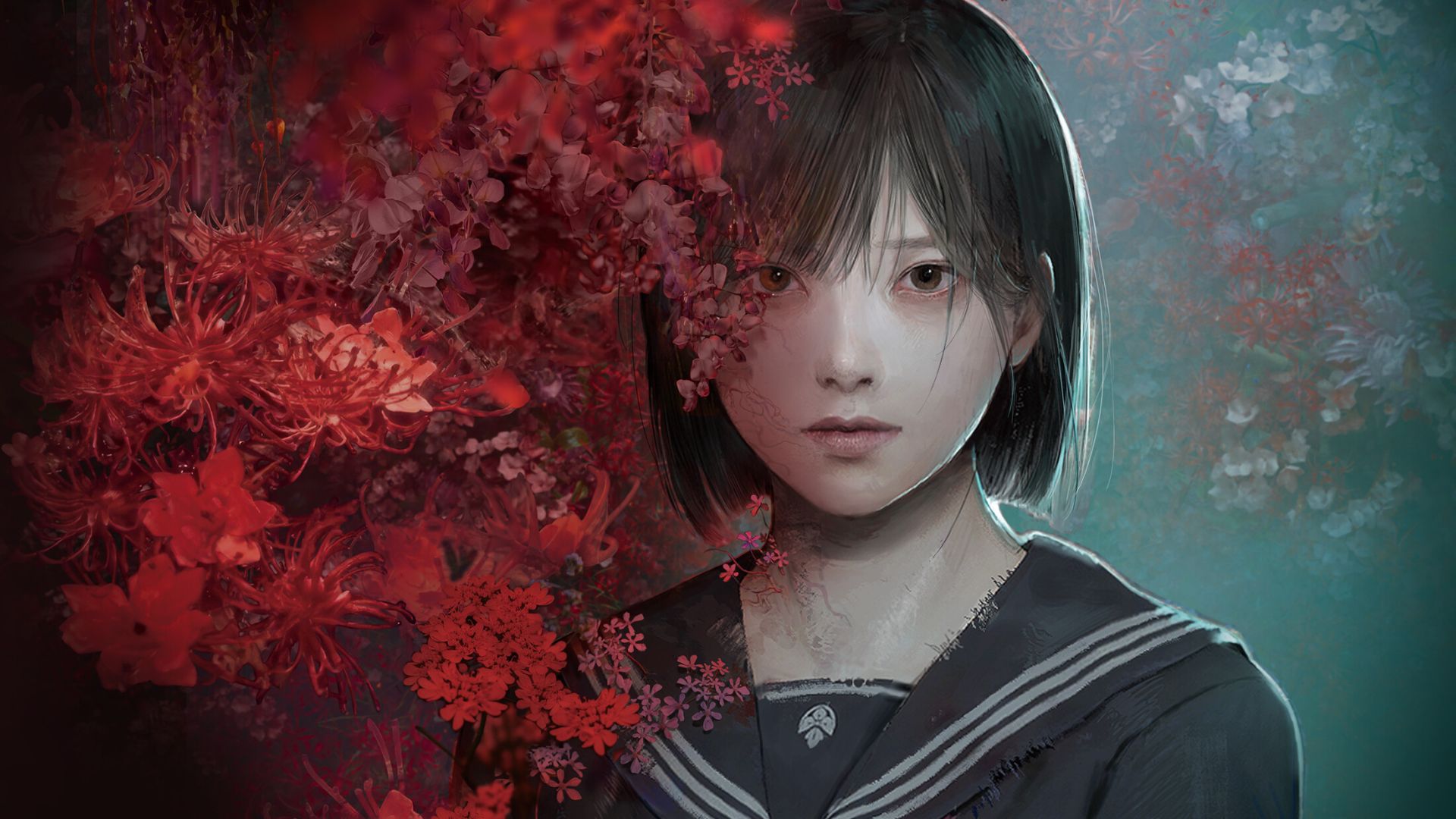
Concept art of Hinako Shimizu in her school uniform looking distressed

Hinako's "boyish" demeanor conflicts with 1960s Japanese societal expectations

Hinako Shimizu embodies the archetypal Silent Hill protagonist—a deeply troubled individual whose psychological state shapes the game's reality. As a high school student in rural Japan, her "boyish" demeanor and rejection of traditional femininity mark her as an outsider in her conservative community.

Key Character Dynamics:

  • Father Relationship: Abusive alcoholic who represents patriarchal oppression
  • Mother Relationship: Subservient figure Hinako both pities and resents
  • Social Isolation: Feeling of alienation from peers and community
Silent Hill f Story Breakdown: Narrative Structure and Progression

The Catalyst: Supernatural Fog Event

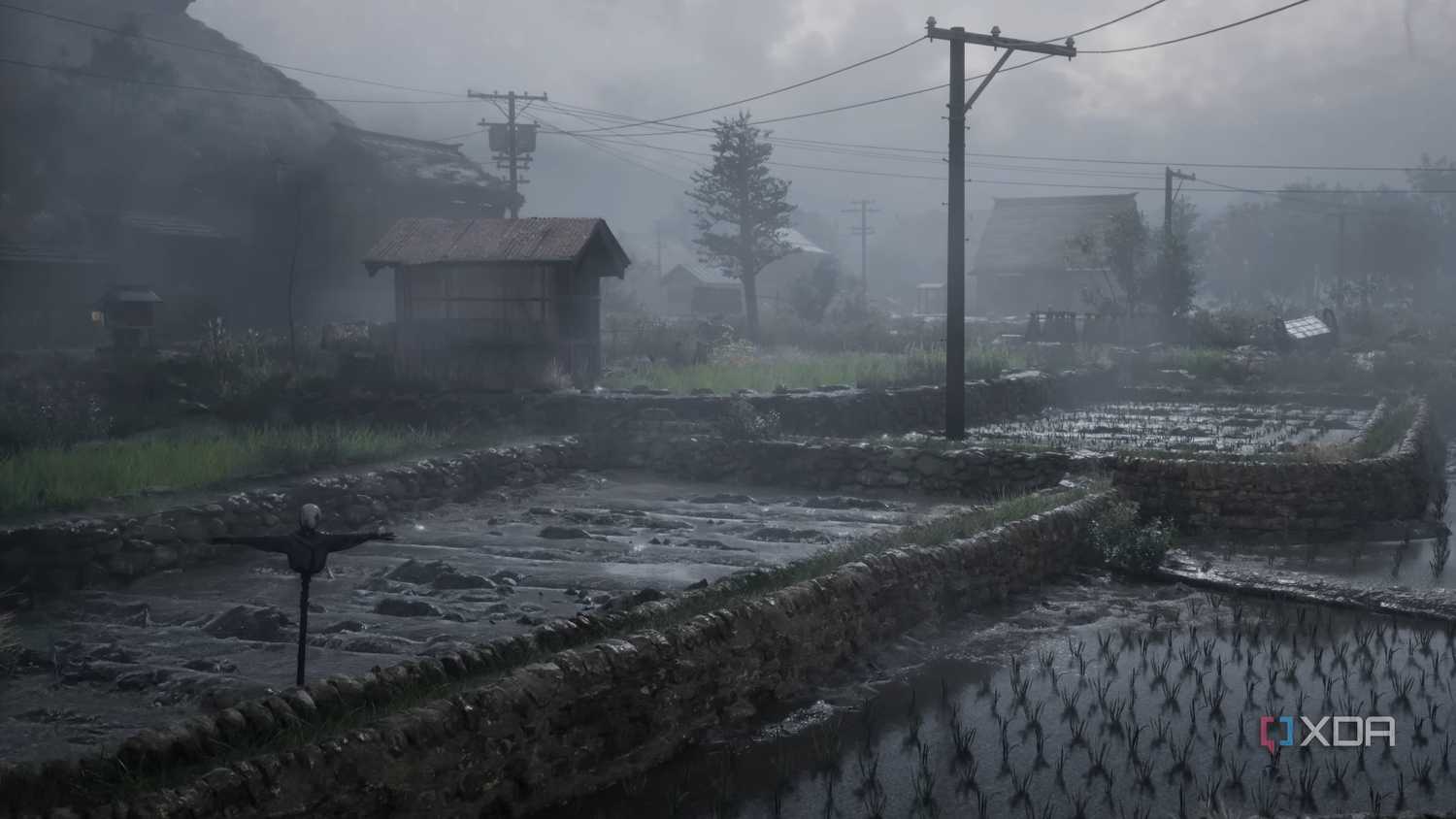
Following a violent argument with her father, Hinako meets friends only to witness the town's engulfment by a mystical fog. This isn't ordinary weather—it's a boundary between realities, unleashing grotesque monsters that immediately claim lives, including some of Hinako's friends.

Supernatural fog enveloping a Japanese rural town in Silent Hill f

Core Conflict Elements

  • Arranged marriage as metaphor for lost autonomy
  • Confrontation with family trauma and abuse
  • Navigation between real and supernatural worlds

Gameplay Integration

  • New Game Plus reveals additional narrative layers
  • "Lore iceberg" approach to storytelling
  • Multiple endings based on player choices

Silent Hill f Explained: Video Analysis and Story Details

This detailed analysis from Eurogamer explores the intricate narrative of Silent Hill f, examining how the game blends Japanese folklore with psychological horror:

Video: "Silent Hill f Story Explained" by Eurogamer | October 4, 2025

Key Video Insights:

  • Cultural Context: How 1960s Japanese societal expectations fuel the horror
  • Monster Symbolism: Analysis of creature designs and their psychological meanings
  • Multiple Endings: How different playthroughs reveal alternative interpretations

Silent Hill f Themes: Marriage, Trauma, and Societal Pressure

The Arranged Marriage as Horror Metaphor

The impending arranged marriage serves as the central metaphor for Hinako's loss of autonomy and identity. Unlike Western horror tropes, this specifically Japanese cultural practice becomes the vehicle for exploring:

Feminine Identity

Conflict between personal identity and societal expectations of womanhood

Familial Duty

The weight of traditional family obligations in post-war Japan

Body Autonomy

How the marriage represents loss of control over one's own body and future

Psychological Horror Through Body Transformation

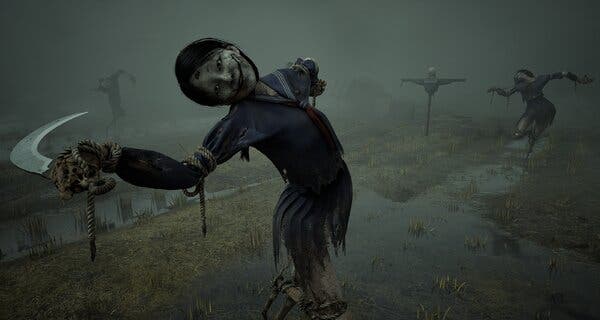
Silent Hill f continues the series' tradition of body horror, but with distinctly Japanese cultural references. The monsters often represent:

  • Internalized Trauma: Physical manifestations of psychological wounds
  • Cultural Anxiety: Monsters reflecting specific Japanese societal fears
  • Transformation Fear: Horror of becoming what society expects against one's will
Silent Hill f monster design showing body horror elements

Silent Hill f Otherworld: Supernatural Mechanics and Symbolism

The Dark Shrine and Fox Self

Hinako's journey involves traversing between the real world and a mysterious "Dark Shrine"—a liminal space where her human identity converges with a supernatural "fox self" (kitsune). This duality represents:

  • The split between societal expectations and true self
  • Japanese folklore integration (kitsune mythology)
  • The supernatural aspect having its own agenda
The Dark Shrine location in Silent Hill f with supernatural elements

The Fox Mask Character: Guide or Manipulator?

A mysterious figure wearing a fox mask emerges as Hinako's guide through the nightmare. However, their motivations remain deliberately ambiguous, creating narrative tension around whether they are:

Potential Guide Role

  • • Protector against greater threats
  • • Manifestation of Hinako's survival instinct
  • • Connection to Japanese protective spirits

Potential Manipulator Role

  • • Another aspect of the horror
  • • Representation of deceptive societal forces
  • • Entity with its own supernatural agenda

Understanding Silent Hill f: Multiple Interpretations and Meanings

True to the Silent Hill tradition, the game employs deliberate ambiguity and layered symbolism that rewards multiple playthroughs. The "true" story emerges gradually through:

1

Surface Narrative

Teenager survives supernatural disaster while confronting personal demons

2

Psychological Reading

Entire experience as metaphor for trauma and mental breakdown

3

Supernatural Reality

Genuine occult event intersecting with personal psychology

New Game Plus Revelations

Subsequent playthroughs in New Game Plus mode reveal additional documents, altered monster behaviors, and new narrative pathways that suggest:

  • The town itself has a dark history predating Hinako's trauma
  • Other characters may be experiencing parallel nightmares
  • The fog event might be cyclical or ritualistic in nature

Silent Hill f Key Facts

Release Date

2025 (TBA)

Developer

Konami with Neobards

Setting

1960s Rural Japan

Protagonist

Hinako Shimizu

Gameplay Style

Psychological Survival Horror

Key Themes

Trauma, Societal Pressure, Identity

Symbolism Decoder

The Fog

Boundary between reality and psychological space; repressed memories

Fox Imagery

Japanese kitsune folklore; deception, transformation, supernatural guidance

School Uniform

Conformity, lost youth, societal expectations

Arranged Marriage

Loss of autonomy, feminine oppression, familial duty

1960s Japan Context

Understanding the historical context enhances appreciation of Silent Hill f's themes:

  • Post-war economic growth vs. traditional values
  • Changing gender roles and expectations
  • Urbanization affecting rural communities
  • Western influence vs. Japanese tradition
1960s Japanese rural landscape showing traditional architecture

Silent Hill Series Connections

While geographically and culturally distinct, Silent Hill f maintains series traditions:

  • Psychological Focus: Protagonist's mind shapes reality
  • Otherworld: Distorted reality reflecting trauma
  • Multiple Endings: Player choices affect narrative outcome
  • Symbolic Monsters: Creatures representing psychological states

Final Analysis: What Silent Hill f's Plot Reveals

Silent Hill f represents a significant evolution of the series' psychological horror formula, transplanting its core themes to 1960s Japan while maintaining the franchise's signature ambiguity and depth. The plot operates on multiple simultaneous levels:

As Personal Drama

A teenager's coming-of-age story complicated by familial abuse, societal pressure, and an unwanted arranged marriage.

As Psychological Study

An exploration of how trauma manifests as supernatural horror, with every monster representing aspects of Hinako's psyche.

The game's true innovation lies in its cultural specificity—using distinctly Japanese settings, folklore, and social structures to explore universal themes of identity, trauma, and resistance. Like the best Silent Hill games, it refuses easy interpretation, instead offering a layered narrative that reveals new depths with each playthrough.

Critical Reception Insight

Early analysis suggests Silent Hill f successfully adapts the series' psychological horror to a new cultural context while maintaining the ambiguous, multi-layered storytelling that defines the franchise. The arranged marriage theme in particular has been praised for providing fresh horror metaphors while remaining true to the series' focus on personal trauma.

Horror game analyst and Silent Hill series expert

About the Author

Alex Chen is a horror game analyst with over 10 years of experience studying psychological horror narratives. Specializing in the Silent Hill series, they have published numerous analyses on game symbolism, narrative structure, and cultural context in horror gaming.

Psychological Horror Game Analysis Silent Hill Series Cultural Studies