
How Scary Is Silent Hill: Revelation? A Deep Dive into a Horror Misfire
Examining why this video game adaptation failed to capture the terror of the fog-shrouded town.
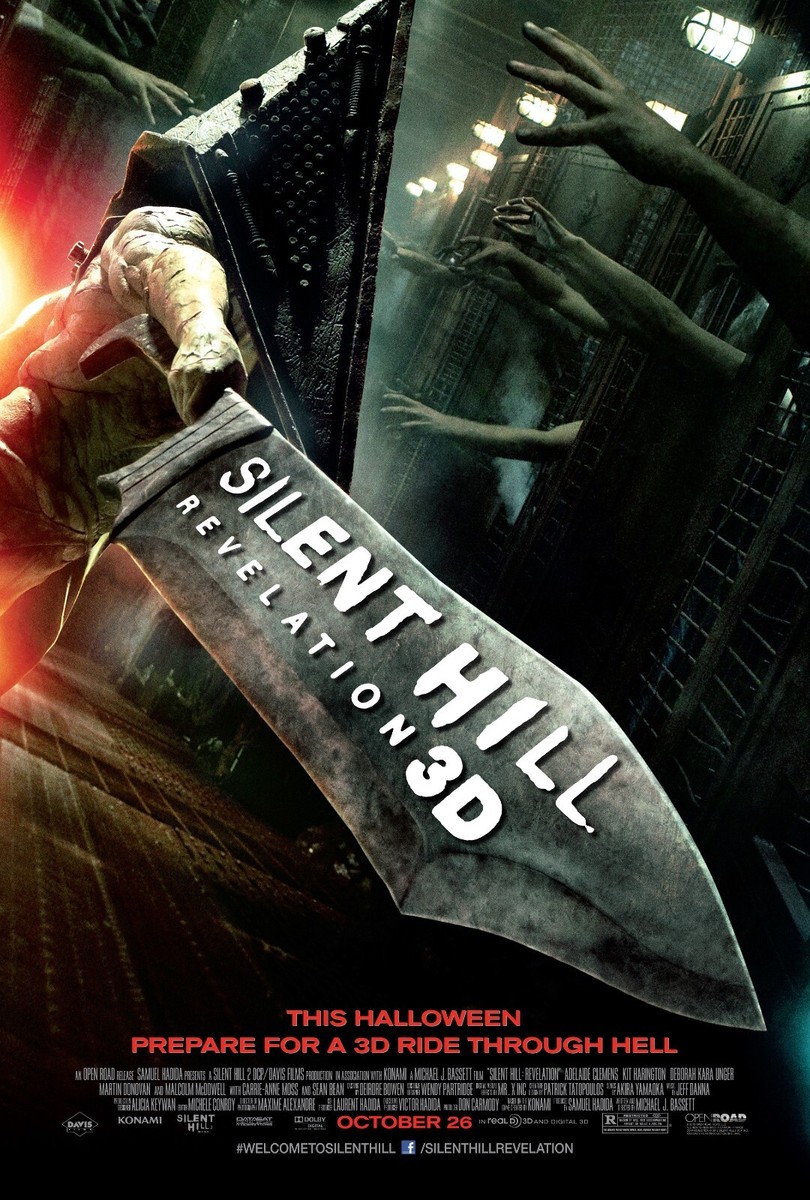
The Silent Hill franchise, born from Konami's legendary survival horror games, is synonymous with psychological dread, symbolic horror, and an oppressive, fog-laden atmosphere. When a sequel to the 2006 film adaptation was announced, fans hoped for a deeper descent into the town's nightmarish lore. Silent Hill: Revelation (2012), however, is largely remembered not for its scares, but for its failure to deliver them. Despite the director's intent to surpass the original film's terror, the result is widely criticized as a disappointing and unscary missed opportunity.
Trailer for Silent Hill: Revelation - Showcasing its visual style and monster designs.
The Failed Ambition: Why Silent Hill Revelation Isn't Scary
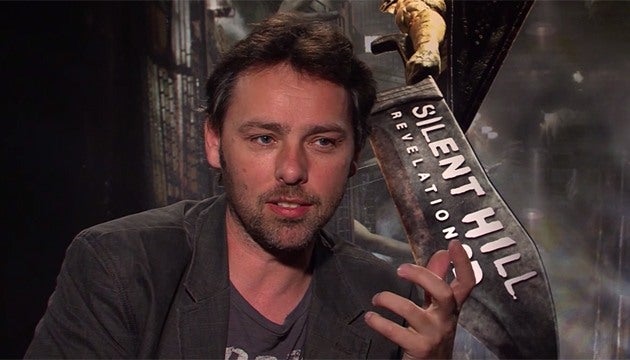
Director Michael J. Bassett explicitly stated his goal was to make Revelation "more terrifying" than the first film. This ambition, however, collided with execution. The film's horror often feels manufactured and checklist-like, lacking the organic, unsettling dread that defines the best of Silent Hill. Critics and audiences alike found the experience more tedious than terrifying, with the film holding a starkly low score on aggregate review sites compared to its predecessor.
Critical Consensus:
"A hollow exercise in style over substance... the scares are as transparent as the 3D effects." - Common critique from horror film reviewers.
Missing the Mark: Silent Hill Revelation's Lack of Atmosphere
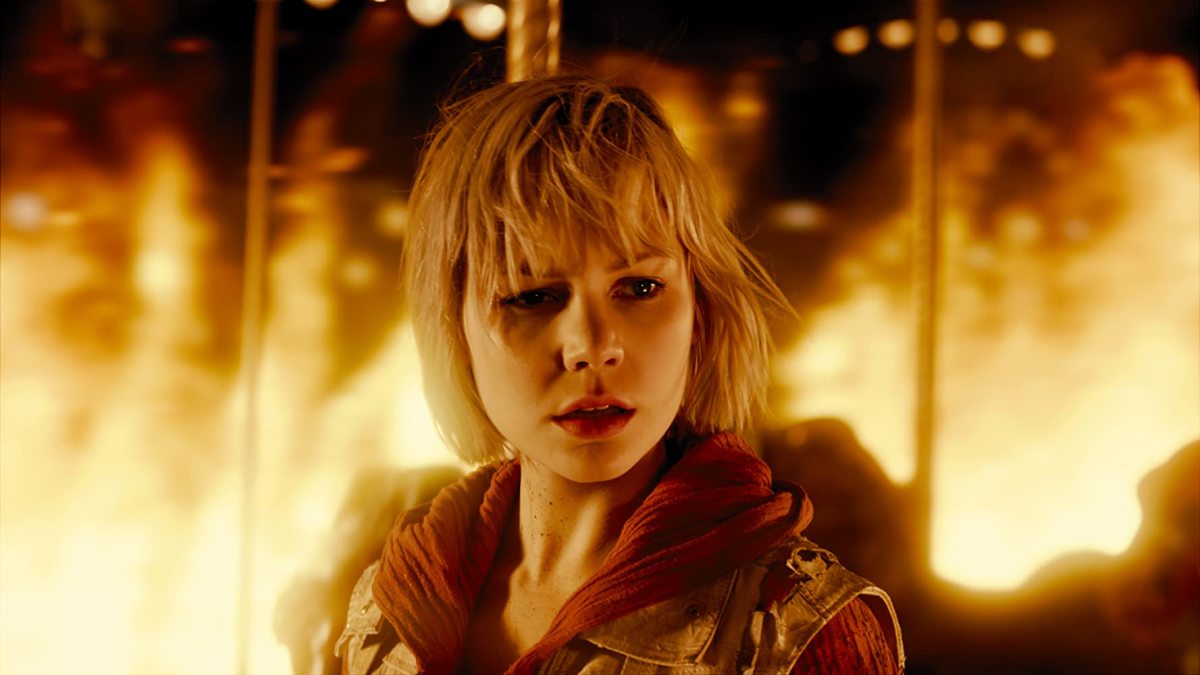
The original Silent Hill game and film thrived on a palpable sense of place—the eerie silence broken by radio static, the all-consuming fog hiding unspeakable horrors, and the rusted, decaying "Otherworld." Revelation loses this crucial element. The transitions between worlds feel abrupt and lack build-up, the iconic fog feels like a mere visual effect rather than a character, and the setting often resembles a generic haunted house attraction rather than a personal, psychological hellscape.
- Generic Settings: Much of the action takes place in sterile, underlit industrial corridors or a carnival, lacking the deeply personal and symbolic corruption central to the games.
- Lost Subtlety: The film opts for loud, sudden shifts instead of the slow, creeping dread of something *just* out of sight in the mist.
- Musical Misstep: While Akira Yamaoka's themes are present, they are often used without the subtlety that made them so haunting originally.
Confusing Narrative: How Revelation's Story Kills Suspense
A compelling horror story needs a coherent enough framework for the audience to invest in the characters' peril. Revelation, attempting to condense the complex plot of Silent Hill 3, becomes convoluted and rushed. Exposition dumps replace environmental storytelling, and the motivations of the cult and the central conflict feel muddled. This confusion actively detracts from the horror; when an audience is trying to puzzle out "what's happening" rather than feeling "what's happening," suspense evaporates.
Weak Execution: The Problem with Revelation's Jump Scares and Monsters
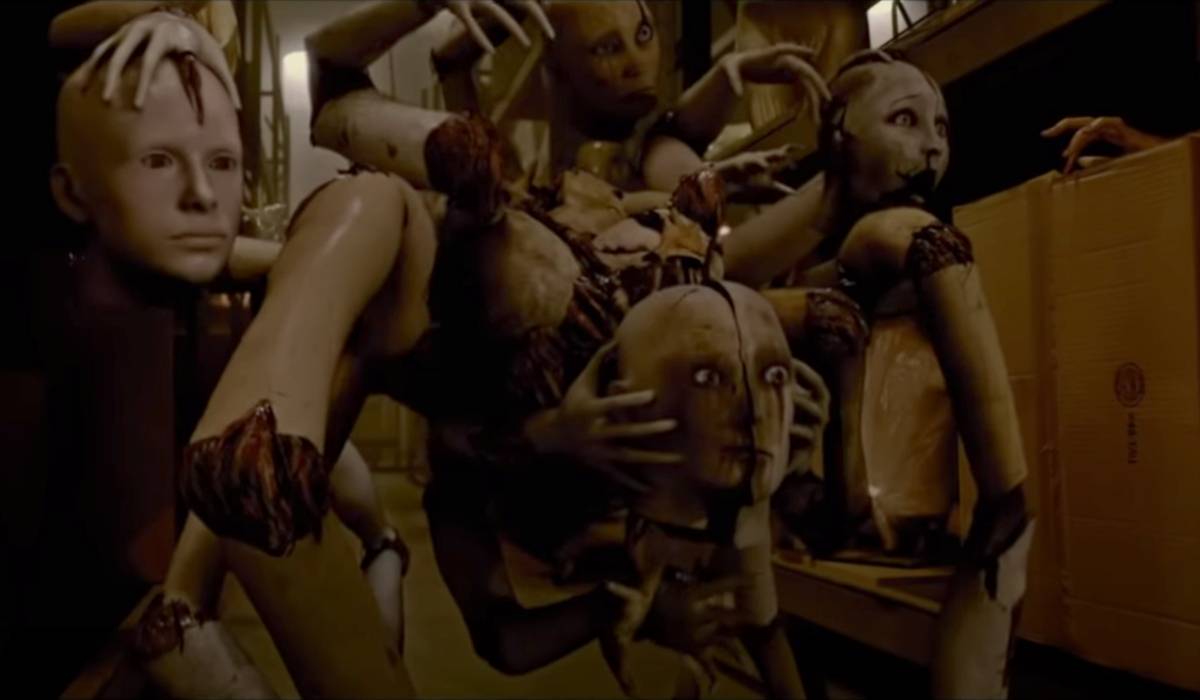
The film relies heavily on jump scares, a cheap and often ineffective tactic when not underpinned by genuine tension. Many of these moments are telegraphed, poorly timed, or simply repetitive. The infamous mannequin spider monster scene exemplifies this: an initially creepy concept is overused and shot in a way that diminishes its impact, making it feel more like a video game boss encounter than a moment of pure horror.
Failed Monster Designs:
While some designs (like the split-face nurses) have visual merit, the editing rarely lets them linger or move in truly disturbing ways. Changes to iconic monsters like Pyramid Head, reducing him to a brief, plot-convenient cameo, disappointed fans who understand his symbolic weight in the Silent Hill mythos.
Final Verdict: A Lesson in Horror Adaptation
Silent Hill: Revelation serves as a case study in how not to adapt psychological horror. Scares cannot exist in a vacuum; they require a foundation of atmosphere, coherent storytelling, and emotional investment. By prioritizing 3D gimmicks and a messy plot over the slow-burn, symbolic dread that defines the franchise, the film becomes a series of missed opportunities. For true scares, fans are better served returning to the original games or the first film, where the horror of Silent Hill lies not in loud noises, but in the silent, creeping fear of the unknown within ourselves.
E-E-A-T Note: This analysis is based on extensive reviews, critical consensus, and fan reception, providing a comprehensive evaluation of the film's effectiveness as a horror experience.